Your Cart
0 products
Aura® Bath & Spa
In a bathroom, the quality of a paint is not defined by how it looks on the day it is applied. The real test is how the finish performs over time.
High humidity, condensation, temperature fluctuations, and regular cleaning place greater demands on painted surfaces than in most living spaces. Yet the aesthetic expectations remain just as high: accurate color, a consistent finish, and a surface that continues to look refined in use.
Specifying bathroom paint therefore means considering several factors together: performance in a high-humidity environment, cleanability, color retention, sheen, and compatibility with the substrate.
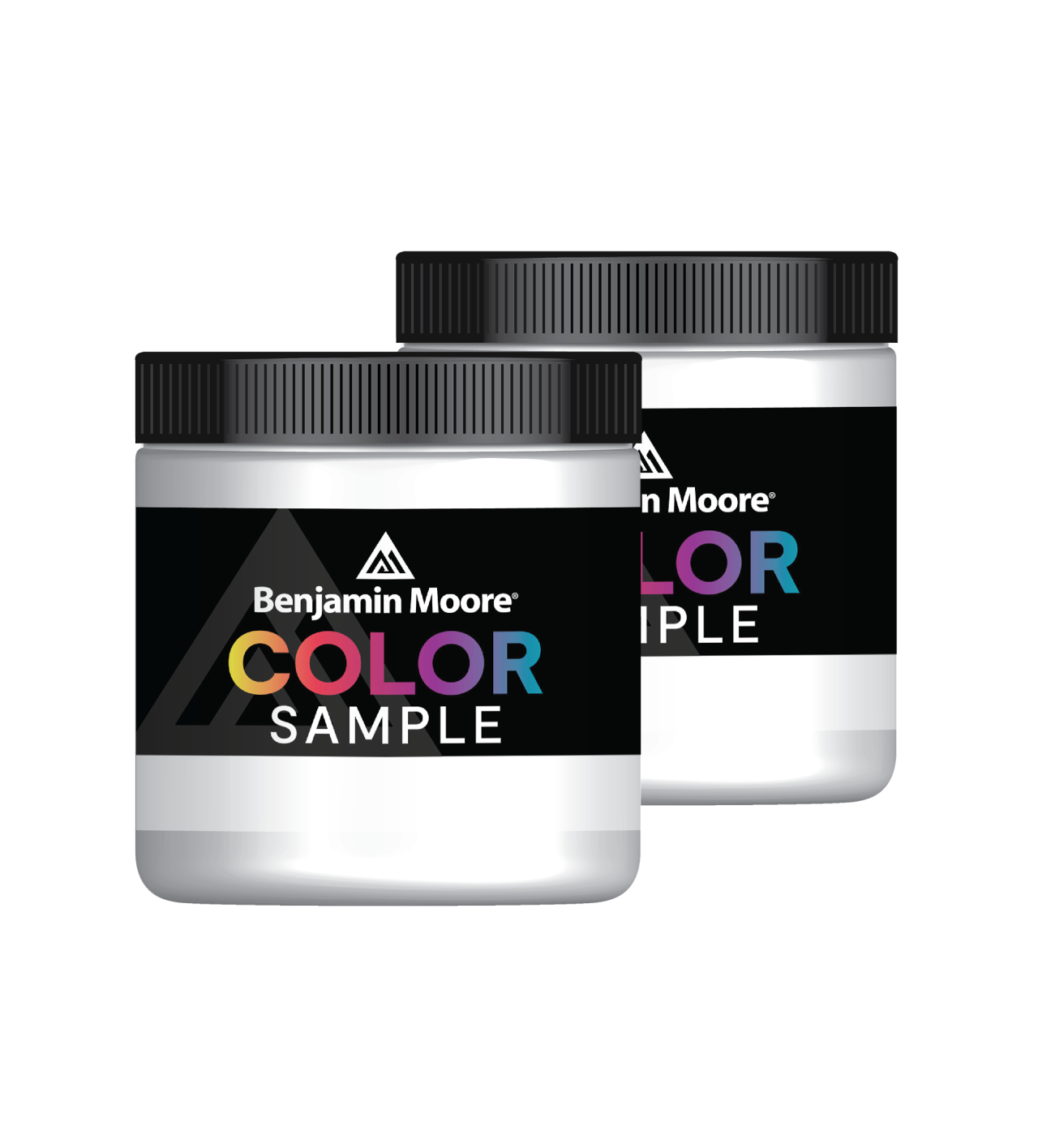
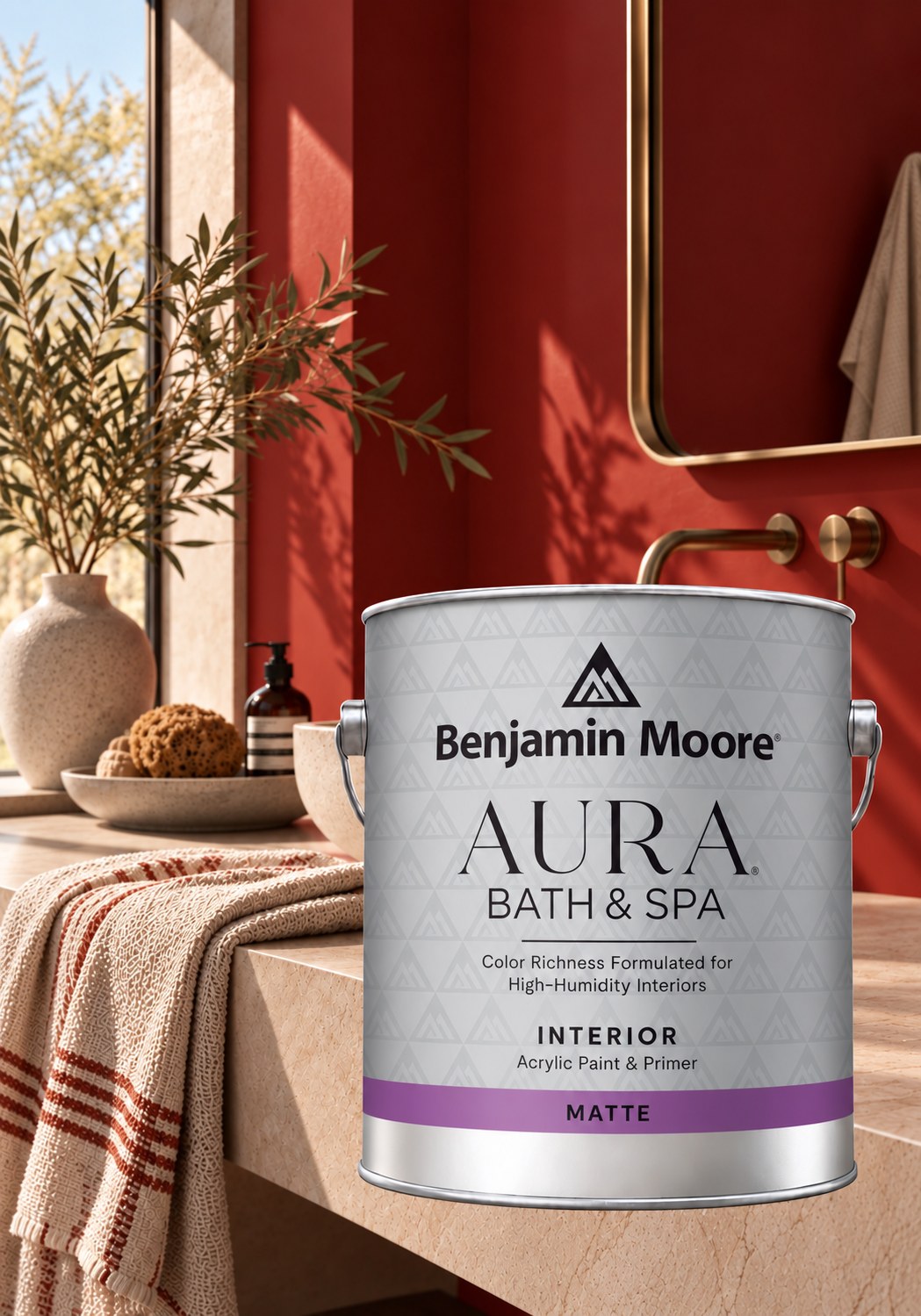
Aura® Bath & Spa Interior Paint - Matte from Benjamin Moore was developed specifically around these requirements. Designed for bathrooms and other high-humidity interiors, it combines the performance of a specialized coating with the color depth and finish quality expected in design-driven spaces.
The first question when specifying a bathroom coating is not color or even sheen. It is understanding the conditions the surface will actually encounter.
Temperature and relative humidity can change rapidly in a bathroom. Condensation may form on cooler surfaces before the room gradually dries again. Repeated cycles of moisture and drying place particular stress on ceilings and upper wall areas, even where there is little or no direct contact with water.
Aura® Bath & Spa is formulated specifically for high-humidity environments and provides a mildew-resistant coating.
But humidity resistance should not be confused with waterproofing.
Shower enclosures and other surfaces exposed to continuous or direct water require an appropriate substrate, waterproofing system, and finish materials designed for wet-area applications. Bathroom paint serves a different purpose: protecting and finishing surfaces exposed to a humid environment rather than functioning as the waterproofing layer itself.
The same distinction matters when diagnosing recurring problems. Persistent condensation or mildew may indicate inadequate ventilation, water intrusion, low surface temperatures, or thermal bridging. A high-performance coating should be part of a properly designed system, not a way to conceal an underlying building issue.
Two paints can look almost identical immediately after application and perform very differently after months of use.
Bathroom surfaces are cleaned regularly, exposed to changing humidity levels, and often illuminated directly. Cleanability alone is therefore not enough. The finish needs to remain uniform after cleaning, and the color needs to retain its integrity.
This becomes particularly important with deeper colors.
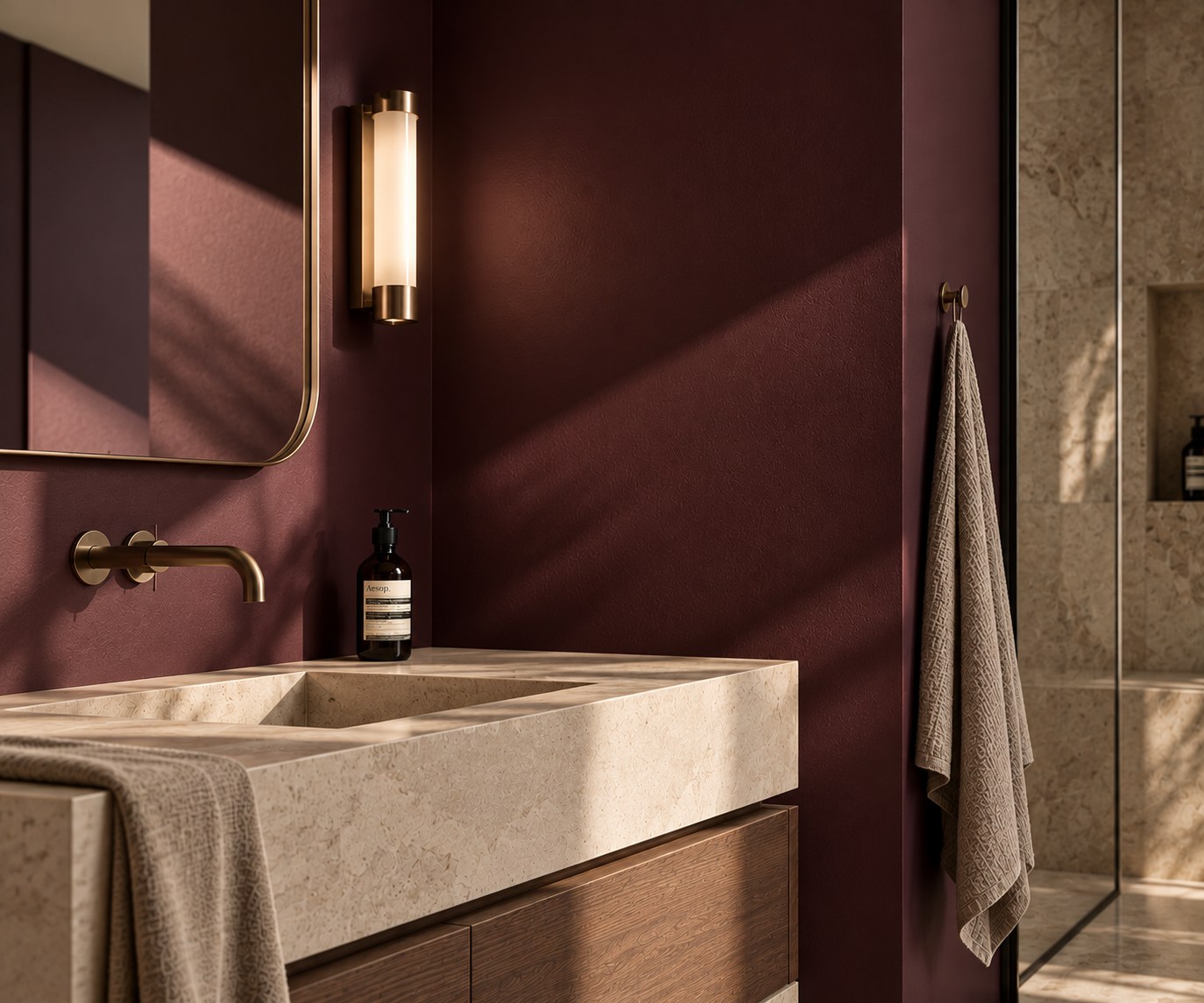
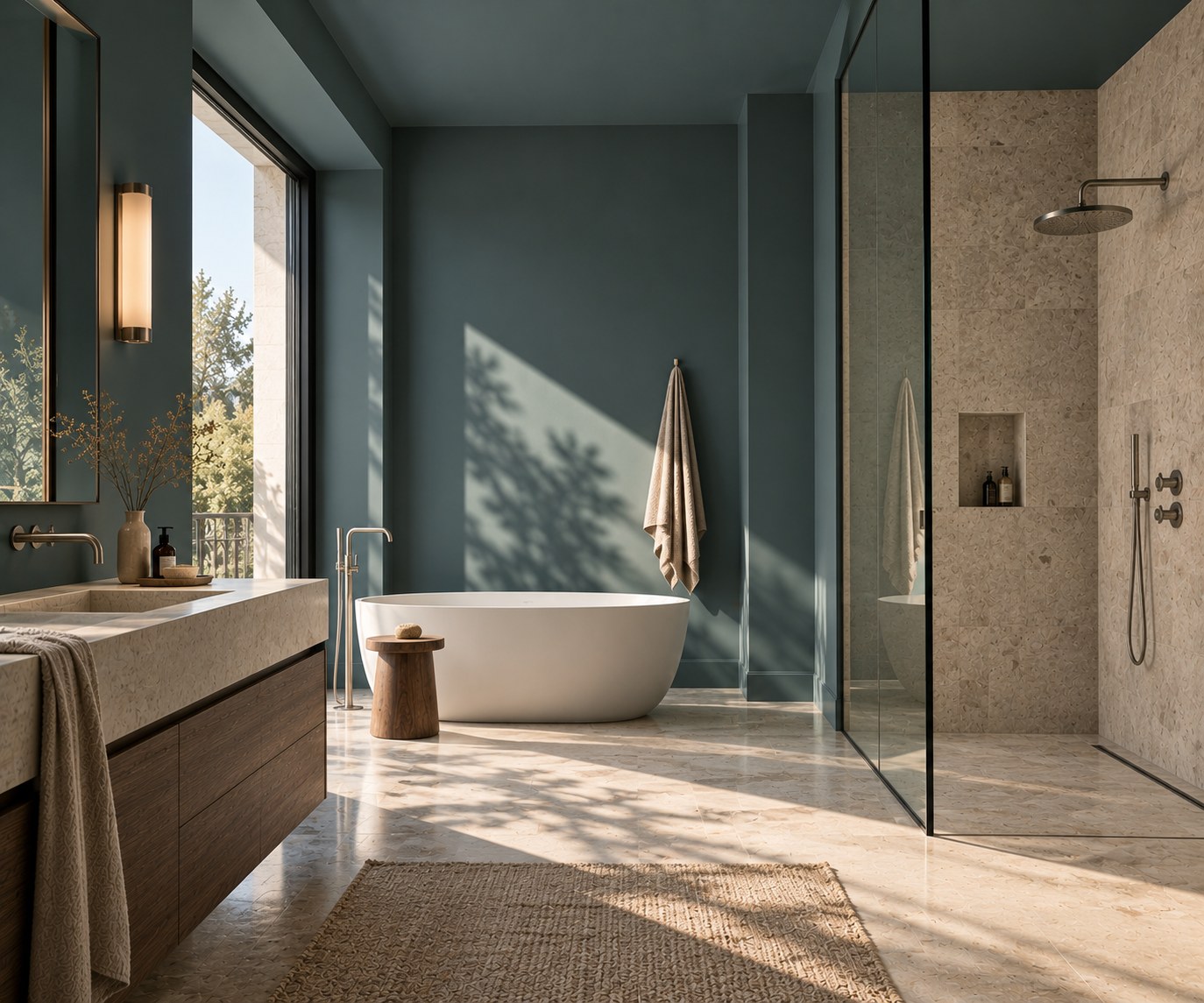
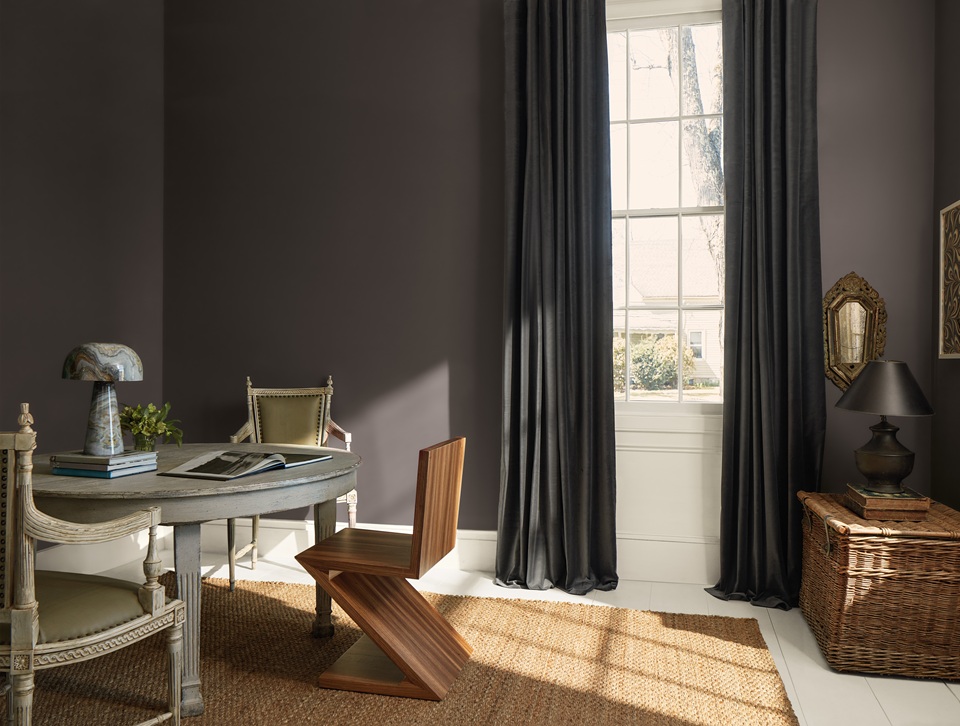
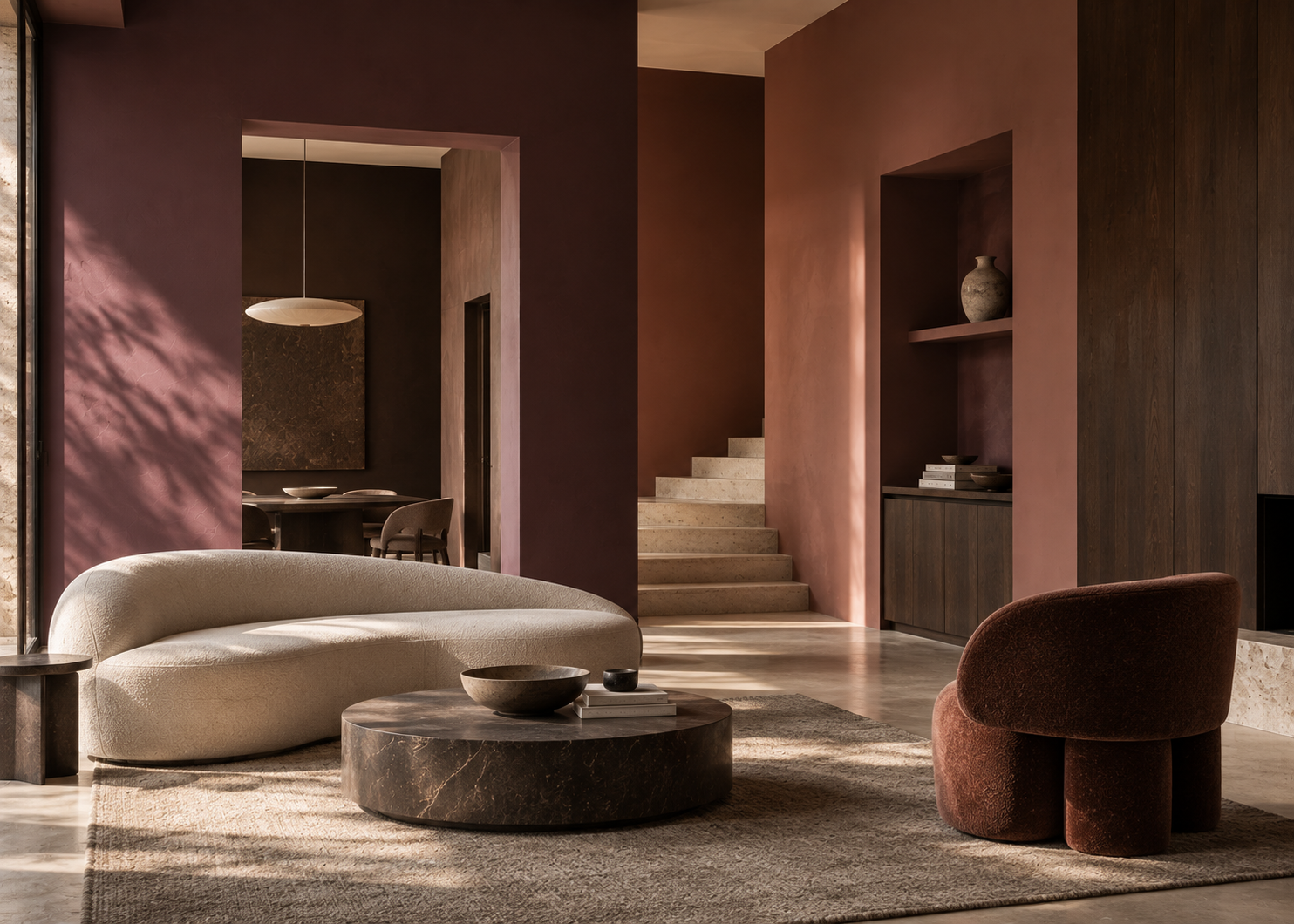
Dark greens, blues, burgundies, browns, charcoals, and near-black shades tend to reveal changes in sheen, cleaning marks, and surface inconsistencies much more readily than pale neutrals.
Aura® Bath & Spa features Benjamin Moore's proprietary Color Lock Technology®, engineered to deliver lasting color with no color rub-off. Its excellent hide and exceptional color depth make the technology especially relevant when saturated color is central to the design.
Color performance, in other words, should not be assessed only from a sample or immediately after installation. What matters is how consistently the surface maintains the original design intent through humidity, cleaning, and everyday use.
When color is an architectural component rather than a decorative afterthought, that distinction becomes significant.
Sheen is more than an aesthetic preference. It determines how a painted surface interacts with light and how it sits alongside other materials.
That relationship is particularly complex in bathrooms.
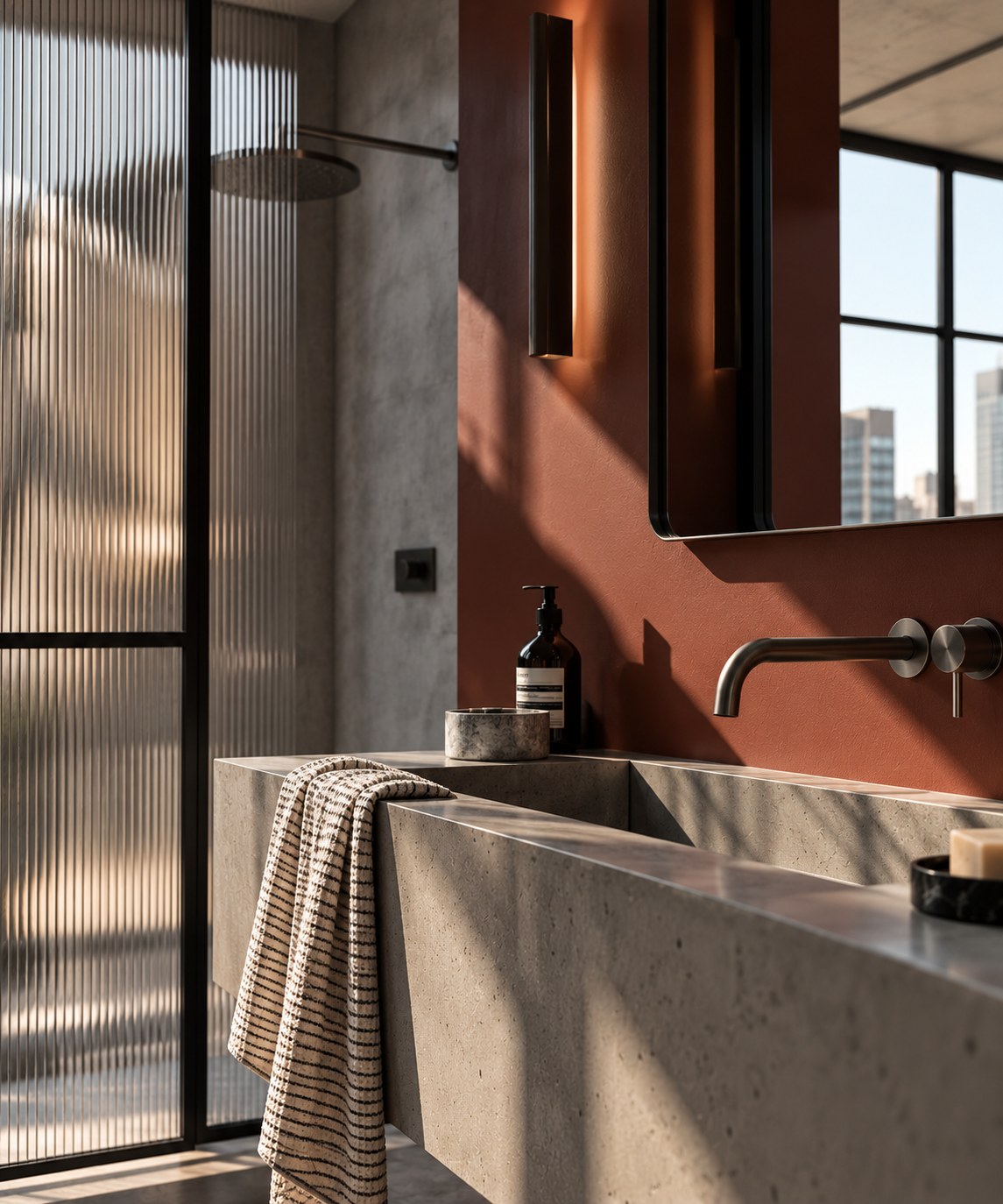
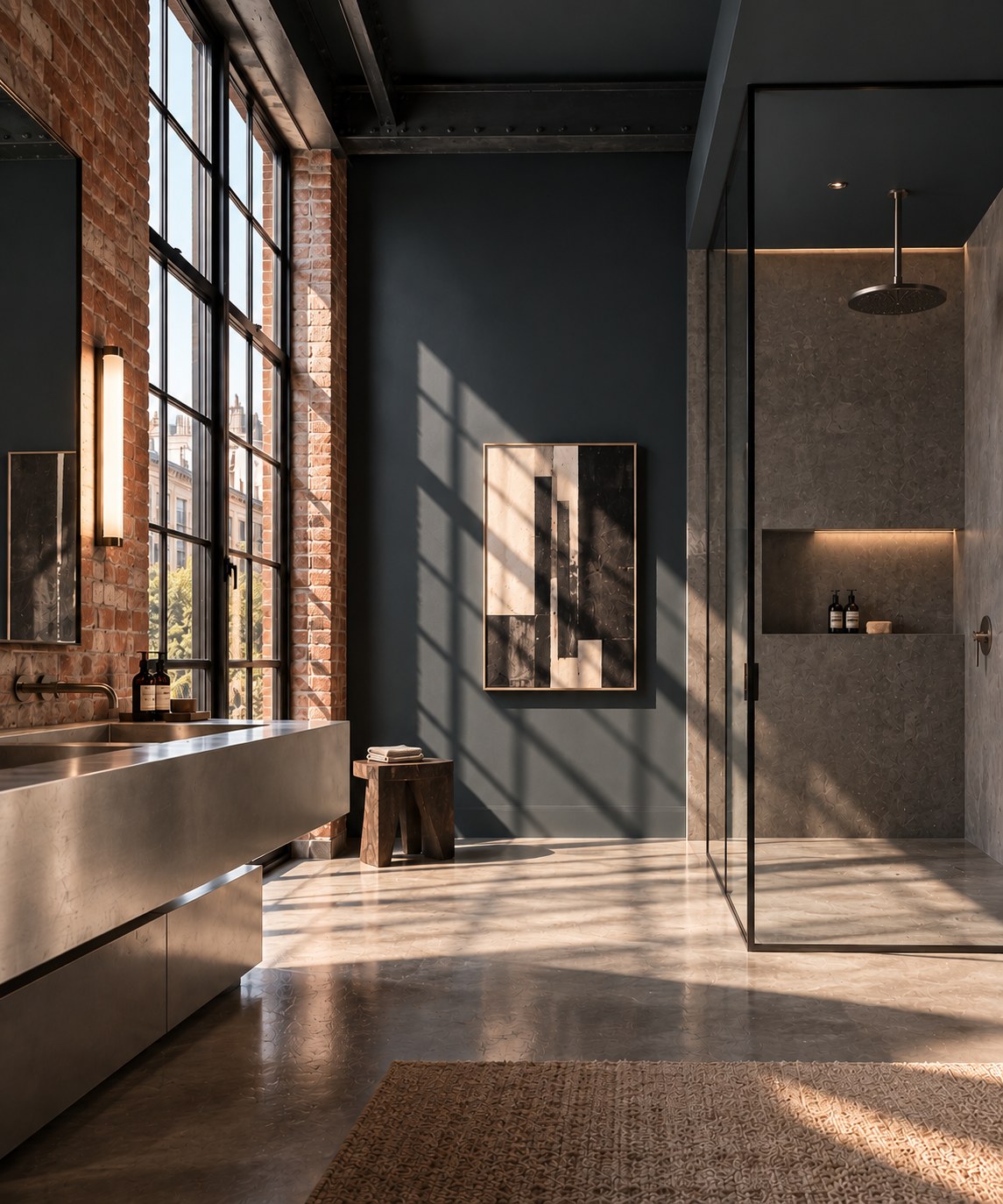
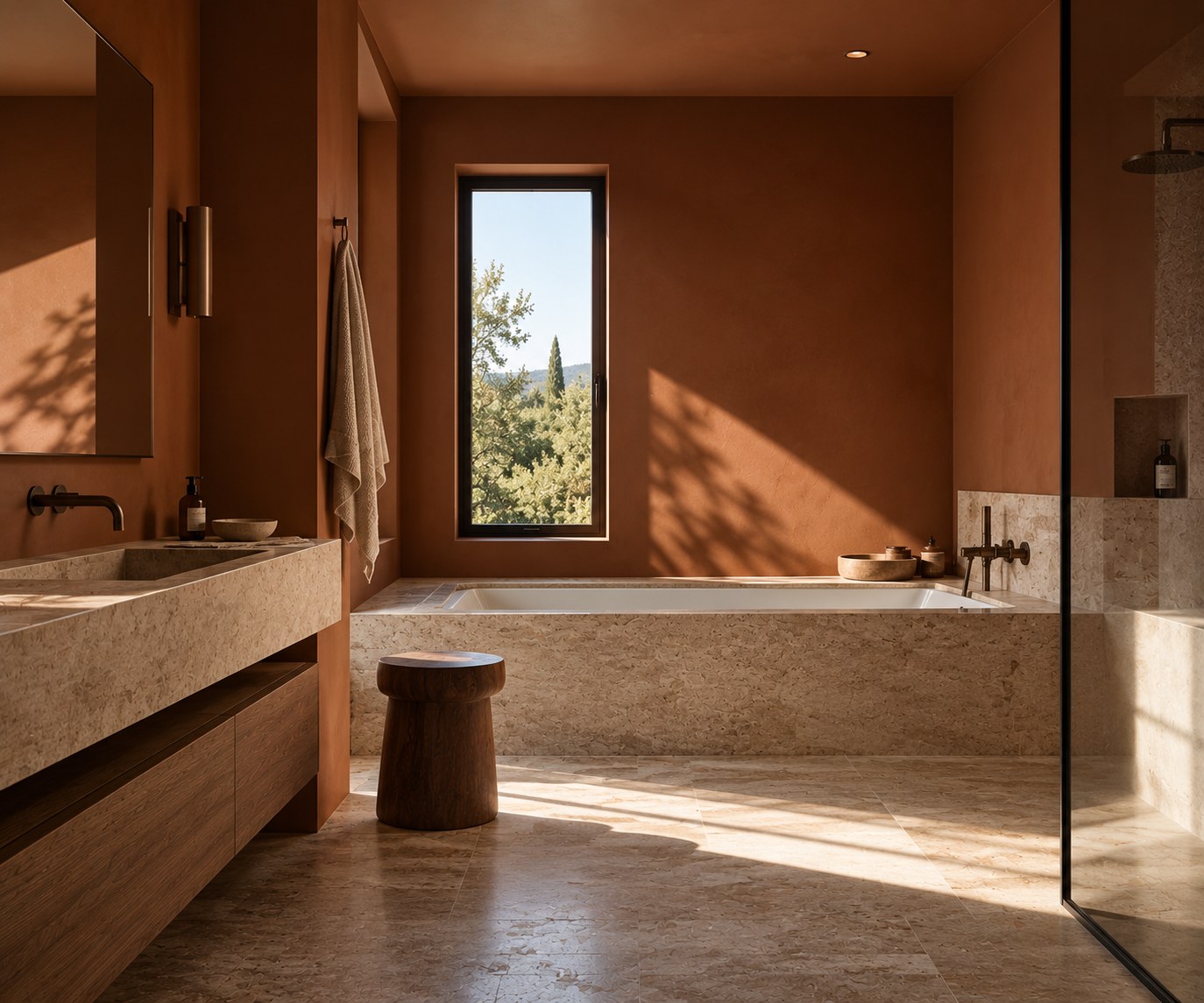
Mirrors produce direct reflections; glass introduces transparency and glare; glazed tile and polished stone create localized highlights; metal adds another reflective surface. Natural light, overhead fixtures, sconces, and integrated mirror lighting may all operate within the same relatively compact space.
A higher-sheen painted surface responds more visibly to these light sources. Across a large wall, reflections become more pronounced, while the perception of a saturated color can shift according to illumination and viewing angle.
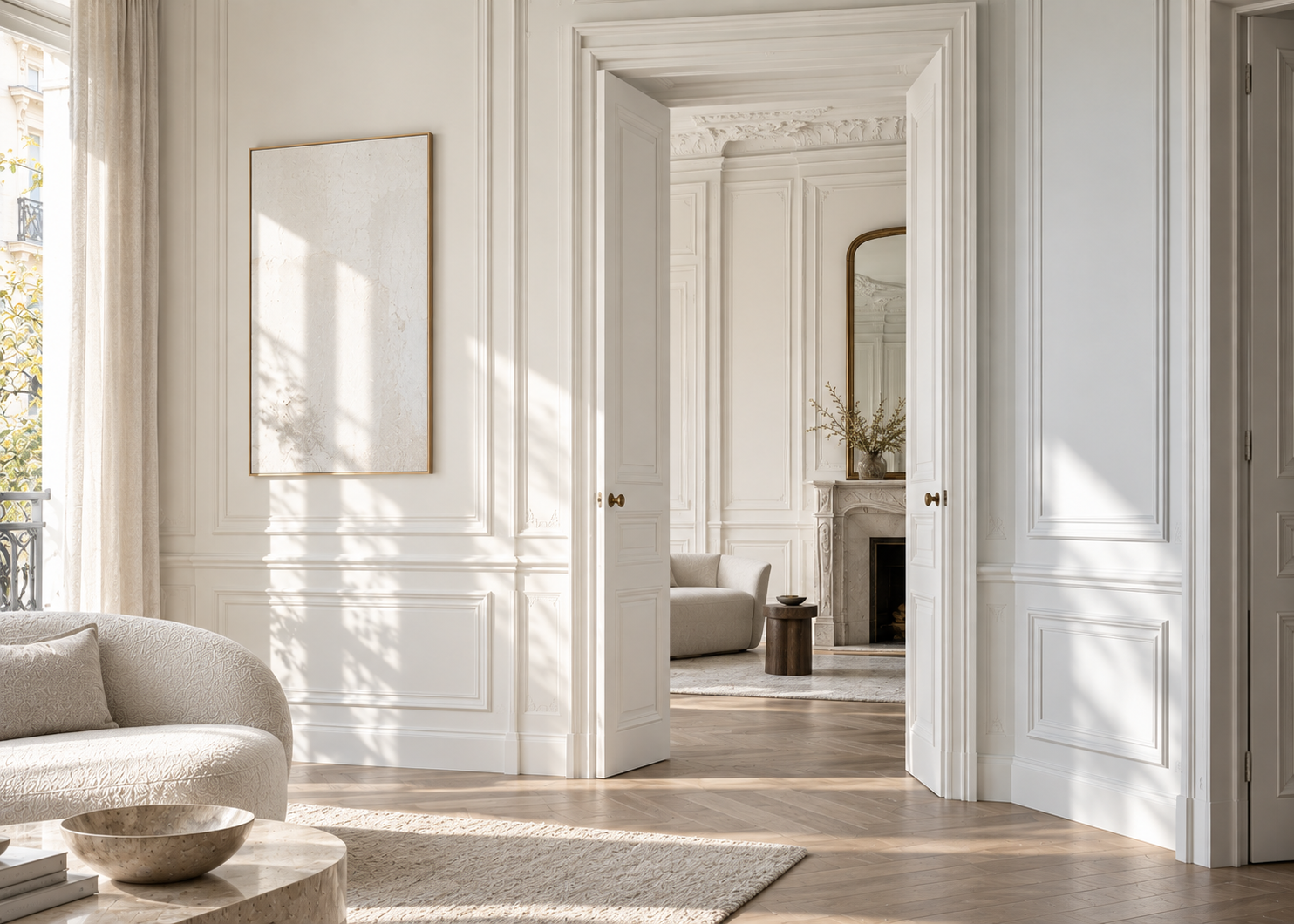
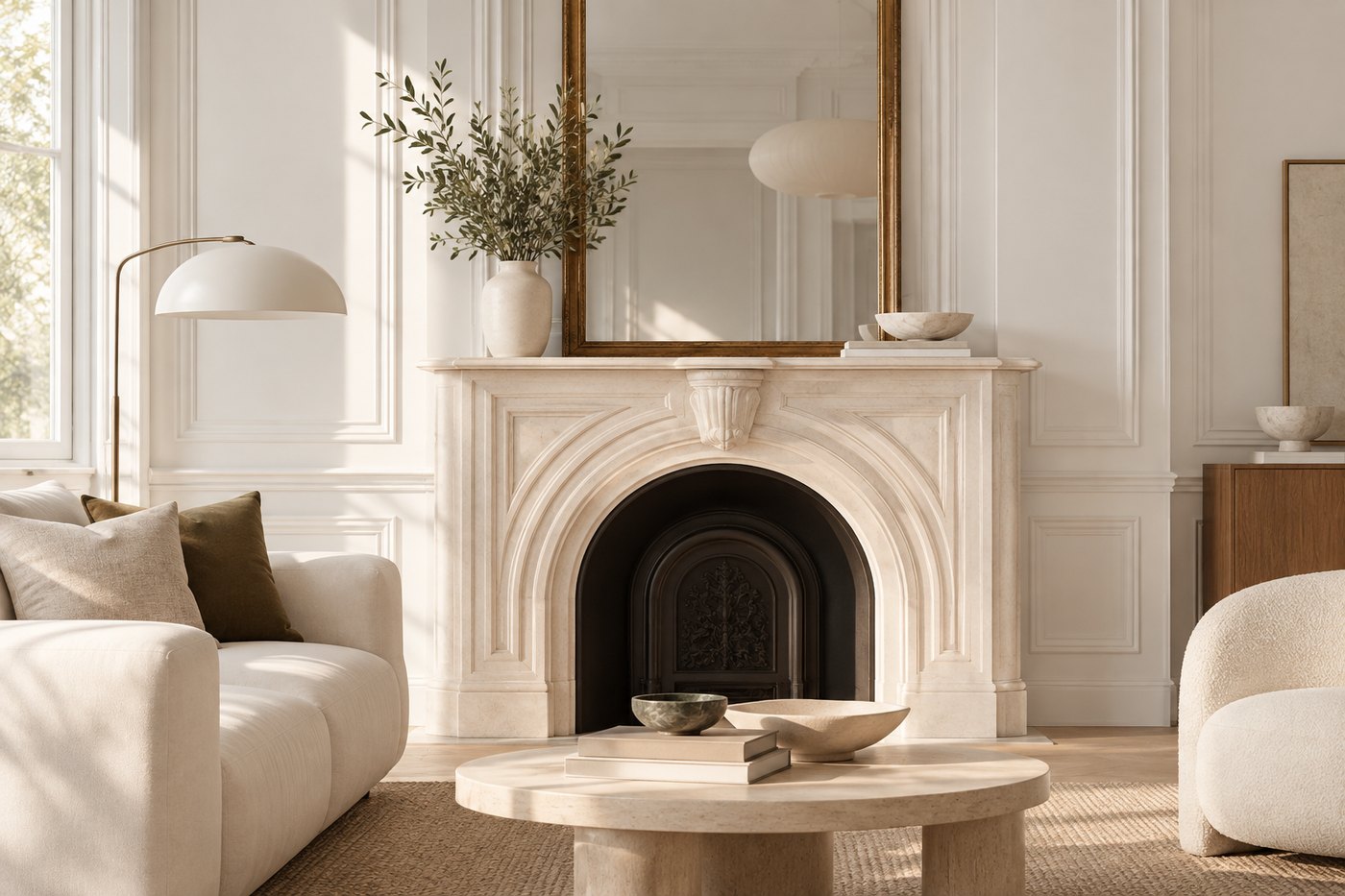
A matte surface behaves differently. It minimizes specular reflection, allowing color to read more continuously across the plane.
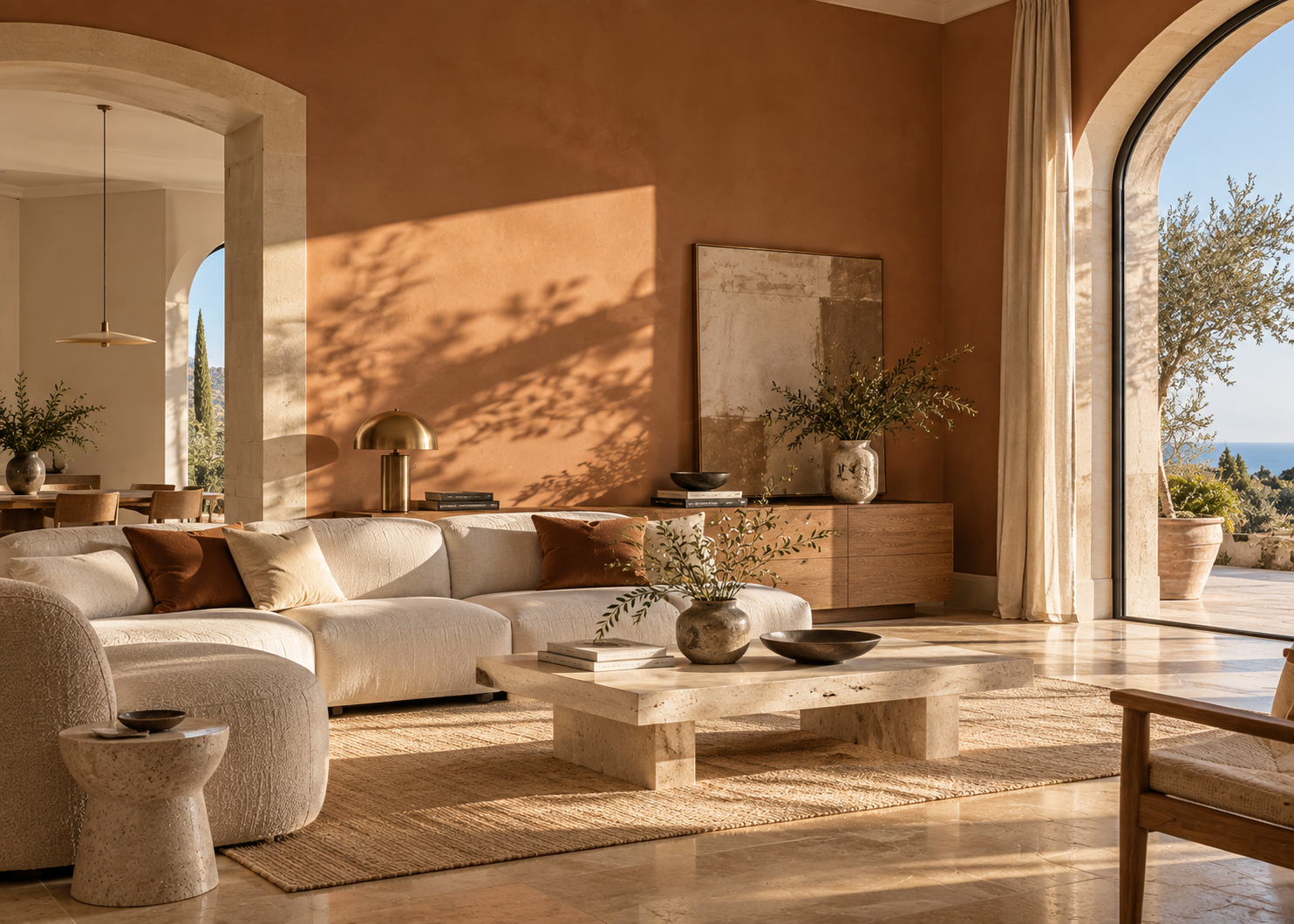
This is where the matte finish of Aura® Bath & Spa Interior Paint - Matte becomes architecturally relevant. A painted surface can remain visually quiet beside expressive stone, metal, or glazed ceramic, or it can become a substantial field of color in its own right.
Sheen can therefore be specified with the same degree of intention as the texture of stone, the glaze of a tile, or the finish of a metal fixture.
The advantage of a matte coating engineered specifically for high-humidity environments is that performance requirements do not automatically force the designer toward a more reflective surface.
Even the right coating cannot compensate for an improperly prepared substrate or unresolved moisture conditions.
Before painting, surfaces should be clean, dry, sound, and stable. Contaminants need to be removed, defects repaired, and existing mildew properly treated before the finish coat is applied.
Aura® Bath & Spa can be used on new or previously painted drywall, plaster, and masonry, as well as properly primed or previously painted wood and metal. The product is self-priming on most surfaces.
Benjamin Moore recommends two coats to achieve full color development and maximize paint-film performance. This is particularly relevant with deeper colors, where substrate preparation and application consistency have a direct impact on the final appearance.
The room's microclimate remains equally important. Effective ventilation and proper condensation control are fundamental to bathroom performance regardless of the coating specified.
Paint is ultimately the visible layer of a larger system, and its performance depends in part on what happens behind it.
A well-considered bathroom paint specification brings several variables together: moisture exposure, substrate type and condition, cleaning requirements, color palette, sheen, and lighting.
Aura® Bath & Spa Interior Paint - Matte addresses these demands as an integrated coating system. Its waterborne acrylic formulation is optimized for high-humidity environments and combines a mildew-resistant coating with Color Lock Technology®, excellent hide, scrub resistance, and a matte finish. It is also backed by Benjamin Moore's Gennex Color Technology®.
Practical performance matters as well. Aura® Bath & Spa is low odor, quick drying, and rated Zero VOC. Under standard conditions, it dries to the touch in approximately one hour and can be recoated in about one hour.
For residential renovations, hospitality interiors, and other projects where downtime matters, these are not incidental specifications. They affect sequencing, application, and how quickly a space can return to use.
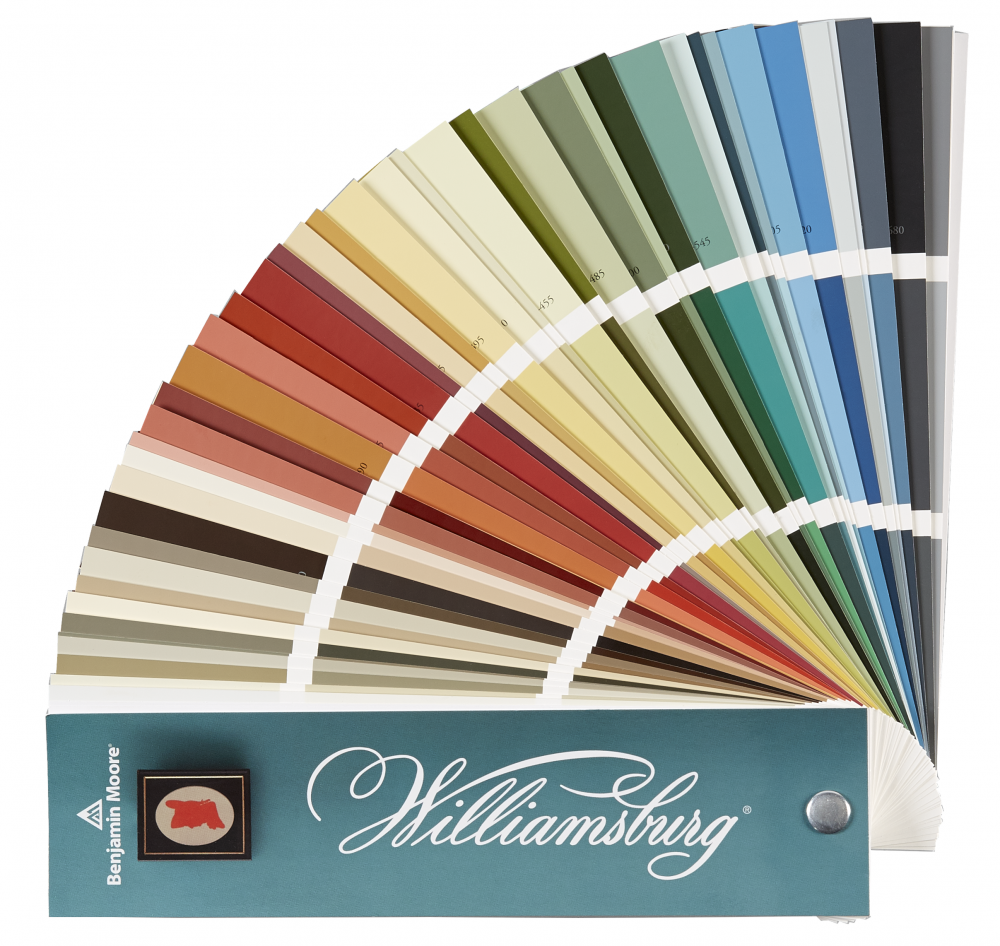
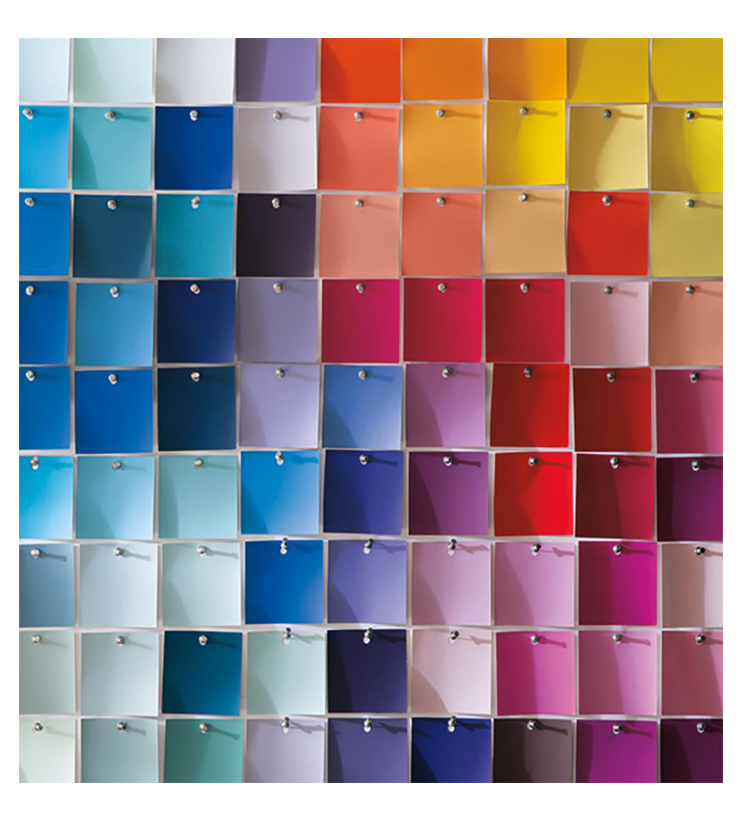
With more than 3,500 available colors, the product also allows color to remain an integral part of the design process rather than a decision constrained by the technical demands of the room.
For architects and designers, that is ultimately the value of Aura® Bath & Spa: the performance requirements of a high-humidity environment remain fully accounted for without automatically limiting the choice of color, sheen, or material expression.